

Pilar Gutierrez Trauma Therapy in Stuart Florida for Childhood Trauma Inner Child Work and Shadow Work
Pilar’s

Pilar Gutierrez Trauma Therapy Modalities in Stuart Florida Modalities

Pilar Gutierrez Trauma Therapy Modalities in Stuart Florida Modalities
Trauma does not always stay in the past. Childhood trauma, attachment wounds, and unresolved emotional pain can show up in the body, in relationships, in protective patterns, and in the quiet moments when you are trying to feel safe and whole again.
At Nova Counseling Services in Stuart, Florida, Pilar Gutierrez, LCSW, provides trauma-informed therapy for adults seeking support with childhood trauma, emotional healing, relationship patterns, self-worth, anxiety, and long-standing trauma responses.
Pilar’s trauma therapy approach is gentle, depth-oriented, and Jungian-informed. Her work integrates inner child work, which helps clients reconnect with the vulnerable and authentic parts of themselves formed in childhood, with shadow work, which supports the exploration of repressed emotions, unmet needs, and parts of the self that may have been hidden, rejected, or pushed away.
These trauma therapy modalities help clients understand the deeper emotional roots beneath symptoms, protective behaviors, relationship struggles, and repeated patterns. Through this process, clients are supported in developing greater self-awareness, emotional resilience, self-trust, and psychological wholeness.
If you have ever felt like you are carrying pieces of your past that you do not fully understand, Pilar offers a compassionate space to begin making sense of your story, reconnecting with yourself, and moving toward healing at a pace that honors your nervous system, your history, and your readiness.
Inner Child Work and Shadow Work Trauma Therapy with Pilar Gutierrez
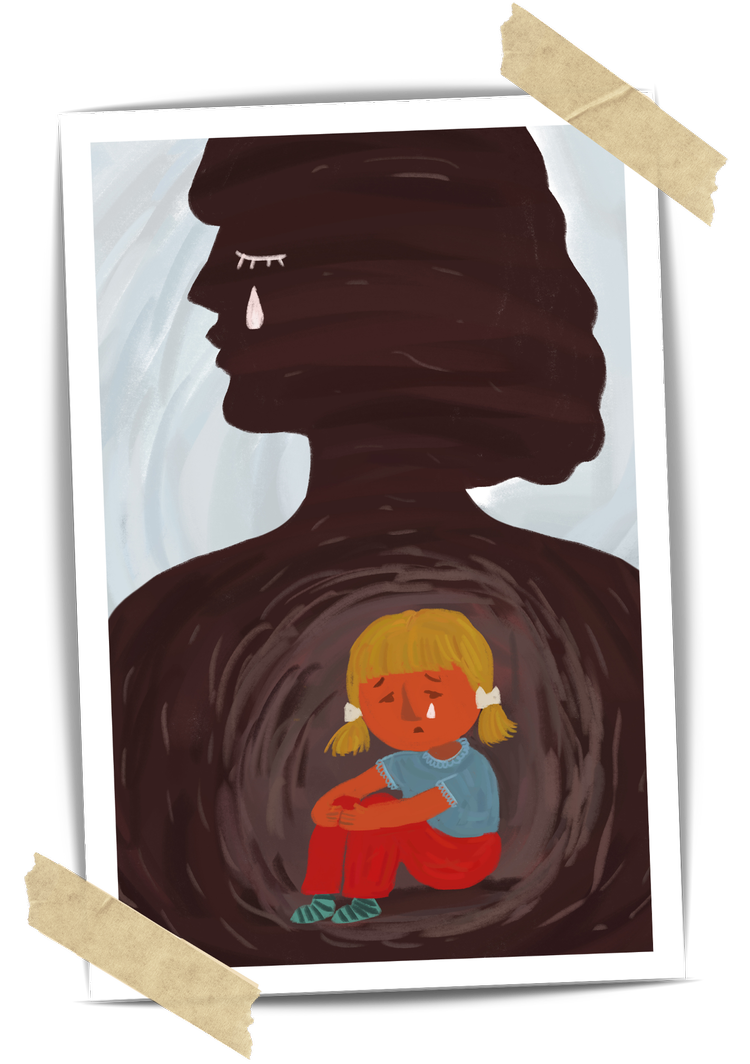
Inner Child Work
Inner child work helps you reconnect with the parts of you that learned to survive early experiences through hiding, pleasing, numbing, or shutting down. Many adults carry an “inner child” that still holds fear, grief, anger, or unmet needs. When that part of you is unheard, it often shows up in adult life as emotional triggers, self-sabotage, relationship conflict, or chronic shame.
In therapy, Pilar helps you build safety, compassion, and internal stability so you can begin re-parenting the parts of you that never received what you needed. This work often strengthens self-worth, emotional regulation, boundaries, and your ability to feel joy again.

Shadow Work
Shadow work focuses on the parts of yourself you were conditioned to suppress. These can include anger, fear, envy, need, sensitivity, desire, or even positive traits like confidence and authenticity that didn’t feel safe to express earlier in life.
When the shadow remains unintegrated, it can operate outside of awareness and show up as emotional explosions, resentment, avoidance, compulsive patterns, or internal conflict. Pilar helps you identify what’s been pushed away, understand why it was necessary at the time, and reintegrate these parts in a way that feels grounded and empowering.
This work can support greater self-awareness, emotional regulation, authenticity, and healthier relationships by helping you respond from clarity rather than from old protective patterns.
Unresolved trauma can create patterns that feel confusing or exhausting, even when life looks “fine” on the outside. Many clients describe feeling stuck in cycles of anxiety, depression, shutdown, self-sabotage, emotional reactivity, people-pleasing, or chronic stress.
What Trauma-Informed Therapy Helps With
You may benefit from trauma counseling if you notice any of the following:
- Difficulty trusting yourself or others
- Feeling emotionally numb or disconnected
- Overthinking, hypervigilance, or constant “on edge” energy
- Fear of abandonment, rejection, or conflict
- A harsh inner critic or shame-based self-talk
- Repeating relationship patterns you logically understand but can’t change
- Burnout, fatigue, or feeling emotionally drained
- Panic symptoms, intrusive memories, or emotional flashbacks
Trauma therapy isn’t about reliving the past. It’s about helping your nervous system stop living like the past is still happening.
What This Work Feels Like
This process is real work. It can bring up emotion. It can also bring relief.
You’ll never be pushed faster than your system can tolerate. Sessions are designed to build insight and emotional resilience while also strengthening practical coping strategies so you can handle triggers, relationships, and stress without feeling overwhelmed.
If you’ve tried “talk therapy” before and felt like you understood everything but still couldn’t shift the pattern, this deeper trauma-focused approach may be a better fit.
Client Reflection
Healing Through Inner Child Work
A personal reflection on inner child work, trauma healing, expressive artwork, self-compassion, and reconnecting with the parts of ourselves that still need care.
I strongly suggest looking at the photos before reading this. Can you relate?
“When this work was first suggested to me, I was excited. I love learning. I read the introduction and first chapter in awe. ‘Finally, someone gets it! I’m not alone.’”
Read Morgan’s Full Inner Child Work Testimonial
“When this work was first suggested to me, I was excited. I love learning. I read the introduction and first chapter in awe. ‘Finally, someone gets it! I’m not alone.’ I felt hopeful. However, when it was time to meet my inner child, I was nervous and fearful. I had shut her out for far too long, and I didn’t know what to expect. I was skeptical of the exercises at first to be completely honest. Using your non-dominant hand to draw and essentially talk to yourself seemed nuts. A bit kooky, if you had asked me. I now know that was my ‘critical parent’ second-guessing and holding me back. I am thankful a part of me remained open-minded. The more I did the exercises, the easier they became, and I grew more comfortable as time went on. That comfortability allowed me to completely immerse myself into each chapter. If you’re stuck in a rut right now with the work or even feel like throwing in that metaphorical towel, please don’t!
I know this entire process is SO MUCH WORK, BUT CONTINUING IS WORTH IT! I get it; not only do you have to draw, create, write, etc., you must FEEL too?! Sometimes, you are transported back to a traumatic event or a sad moment in time. Then, you sit in your feelings for who knows how long. Then, you have to write or draw it out... it is difficult. This process is not easy! I have been doing this work for 5 years, and I have two chapters left. At first, I wanted to get through this fast. I wanted to be healed, and quickly! I am thankful it didn’t happen on my timeline. Around year three was when I let go of my expectations on the time frame I thought I should be on. As hard as it is at times, I encourage you to keep going! You can finish this work at your own pace and heal. Your inner child is worth it. I am 31 years old. I had never dyed my hair a different color; I always wanted to, but everyone else’s opinions and my ‘critical parent’ always prevented me from going through with it... until recently.
I cried happy tears and spun around in bliss. That little voice inside encouraged me and told me that was what needed to happen. I listened. She is ecstatic! I’ve made countless changes over the years since starting this journey. My life is fuller thanks to her. Here’s to more growth and listening to our inner children more! I wish you all the absolute best!”
Sincerely,Morgan
Inner child work can include writing, drawing, reflection, and compassionate self-dialogue to support trauma healing, emotional integration, and a deeper sense of internal safety.
This work is not about rushing healing. It is about learning to listen, reconnect, and move at a pace your nervous system can hold.
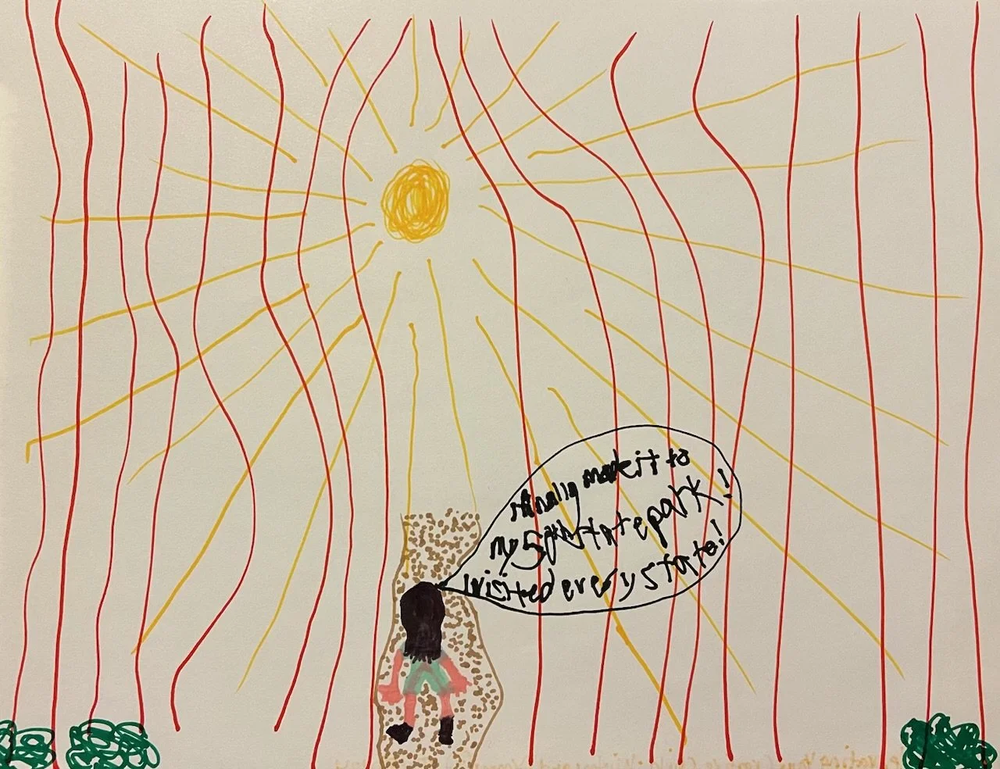
Letting My Creative Child Speak
Artwork created through inner child work can help give visual language to emotions, memories, needs, and healing that may be difficult to express in words.