

Katelyn Macias Child Therapy Teen Therapy Young Adult Counseling and Neurodivergent Therapy in Stuart Florida
Katelyn’s

Katelyn Macias Child Therapy Teen Therapy Young Adult Counseling and Neurodivergent Therapy Modalities
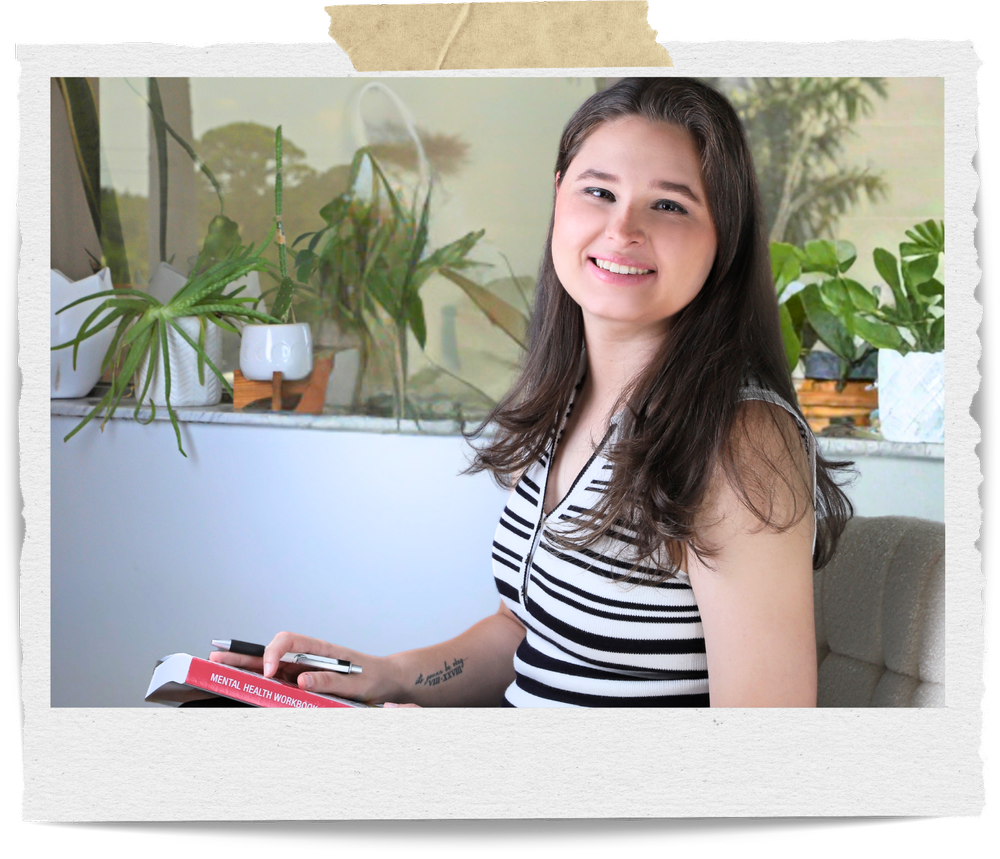

Katelyn Macias Child Therapy Teen Therapy Young Adult Counseling and Neurodivergent Therapy Modalities Modalities
Katelyn Macias is a Registered Mental Health Counselor Intern who provides therapy for children, teens, young adults, and neurodivergent clients ages 8 through 29 in Stuart, Florida.
Katelyn works with adolescents and young adults navigating trauma, depression, anxiety, emotional overwhelm, self-harm concerns, suicidal thoughts, impulsivity, attachment challenges, relationship difficulties, neurodivergence-related needs, and other mental health concerns.
Her approach is relational, supportive, and grounded in connection. Katelyn uses the therapeutic relationship to model healthy communication, emotional safety, boundaries, and trust while helping clients better understand their emotions, behaviors, and patterns.
Katelyn combines emotional insight with practical skill-building so clients can strengthen emotional regulation, build resilience, improve communication, develop healthier relationships, and create meaningful change in their daily lives.
With clinical experience in residential treatment supporting adolescents with severe mental health challenges, Katelyn offers a safe, nonjudgmental space where clients can feel seen, supported, and encouraged as they work toward healing, self-awareness, and healthier relationships.

Support for Children, Teens & Young Adults
Therapy can help young clients better understand themselves, manage big emotions, build confidence, and develop tools for home, school, relationships, and life transitions.
Child, teen, and young adult therapy provides a safe, supportive space for clients to express emotions, build coping skills, strengthen confidence, and work through challenges in a developmentally appropriate way.
Katelyn uses a warm, collaborative approach that meets each client where they are. Her work may include play-based interventions, Cognitive Behavioral Therapy, Internal Family Systems, trauma-informed care, relational support, family collaboration, and neurodiversity-affirming counseling.
The goal is to help clients feel understood while building practical skills for emotional regulation, communication, self-advocacy, and healthier connection with others.

Therapy can help children, teens, and young adults feel seen, supported, and more confident in themselves.
Therapy May Support
How Katelyn May Support Growth
Katelyn’s approach is flexible and individualized, blending practical coping tools with emotional insight, creativity, relational support, and neurodiversity-affirming care.
Play & Creative Interventions
Uses play, art, games, storytelling, and expressive activities to help younger clients communicate feelings safely.
Cognitive Behavioral Therapy
Helps clients understand thoughts, feelings, and behaviors while building coping tools for anxiety, stress, and self-criticism.
Internal Family Systems
Supports self-awareness and compassion for clients who feel conflicted, reactive, overwhelmed, or stuck in painful patterns.
Trauma-Informed Care
Prioritizes safety, trust, pacing, and emotional regulation so clients are not pushed beyond what feels manageable.
Family Collaboration
Helps caregivers better understand emotional needs, improve communication, and support consistency outside of session.
Neurodiversity-Affirming Support
Honors each client’s strengths, sensory needs, executive functioning challenges, identity, and way of experiencing the world.
Katelyn provides child, teen, young adult, and neurodiversity-affirming therapy in Stuart, Florida using play therapy, Cognitive Behavioral Therapy, Internal Family Systems, trauma-informed care, caregiver collaboration, and neurodiversity-affirming counseling for anxiety, depression, trauma, emotional regulation, self-harm, impulsivity, identity development, and major life transitions.
How Child & Adolescent Therapy Can Help
Children, teens, and young adults may show emotional distress in different ways. Therapy provides a safe space to understand what is happening beneath the surface and build healthier ways to cope.

Support can help young clients better understand emotions, relationships, identity, and real-life stressors.
Some clients may become anxious, withdrawn, irritable, overwhelmed, or disconnected, while others may struggle with emotional outbursts, impulsivity, self-harm, relationship stress, or difficulty coping with change.
Therapy may support:
- Anxiety, depression, and emotional overwhelm
- Trauma and difficult life experiences
- Self-harm, suicidal thoughts, and safety concerns
- ADHD, autism-related needs, and neurodivergence-related support
- Sensory sensitivities, executive functioning, and emotional regulation
- Peer, family, and relationship challenges
- Low self-esteem, identity development, and life transitions
- Substance use concerns and risky behaviors
With the right support, children, teens, and young adults can build emotional awareness, strengthen coping skills, improve communication, and develop more confidence in themselves and their relationships.
Support for Big Feelings, Growing Minds, and Real-Life Challenges
Children, teens, and young adults deserve a safe place to feel understood and supported. Book a child, teen, or young adult therapy session with Katelyn and take the next step toward confidence, coping, and connection.
Take the First Step TodayKatelyn provides child, teen, young adult, and neurodiversity-affirming therapy in Stuart, Florida using play therapy, Cognitive Behavioral Therapy, Internal Family Systems, trauma-informed care, relational support, caregiver collaboration, and neurodiversity-affirming counseling for anxiety, depression, trauma, emotional regulation, neurodivergence-related needs, identity development, self-harm, impulsivity, family conflict, peer conflict, substance use concerns, and major life transitions.