

Rebecca Booth Addiction Recovery Therapy in Stuart, Florida and Telehealth Across Florida
Rebecca’s
Addiction Recovery Therapy Modalities

Addiction Recovery Therapy Modalities
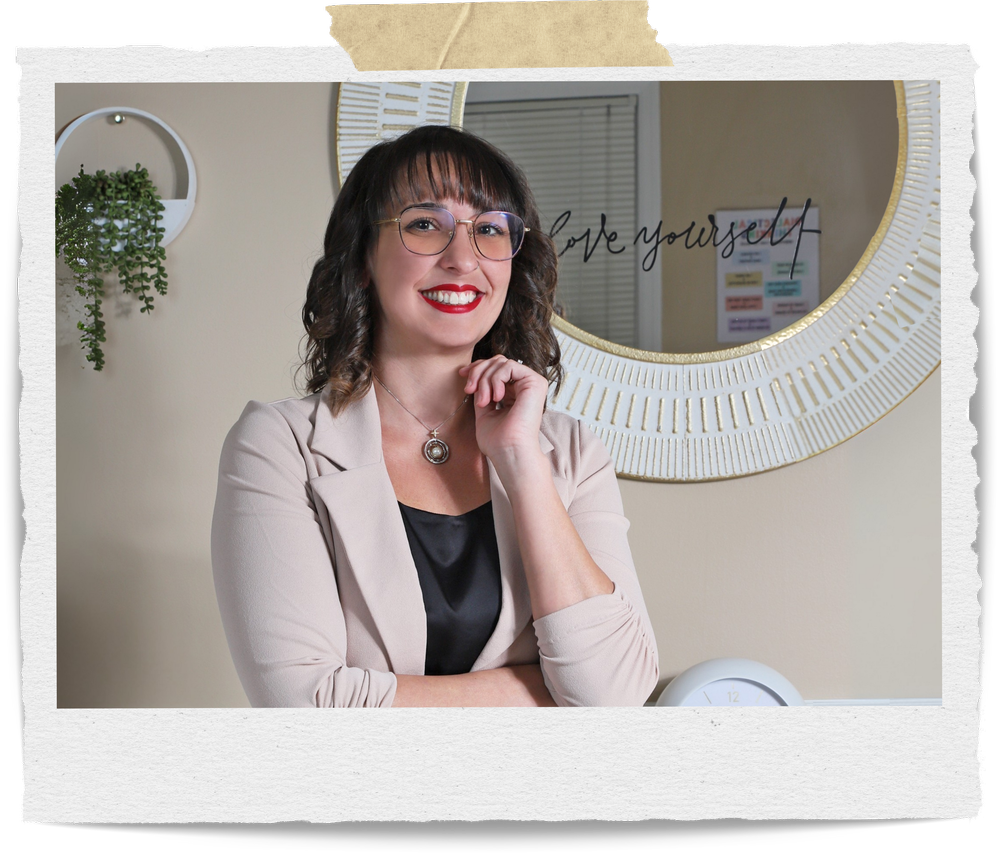
Rebecca Booth, MSW, Registered Clinical Social Work Intern, Certified Addiction Counselor, and Certified Somatic Therapy Foundations Practitioner, provides trauma-informed individual therapy for adults navigating substance use, behavioral addictions, anxiety, emotional dysregulation, relationship stress, shame, trauma responses, and co-occurring mental health concerns.
Rebecca’s clinical approach is integrative, compassionate, and direct. She combines addiction counseling, CBT, motivational interviewing, somatic and nervous-system regulation, attachment-based insight, and practical coping strategies to help clients understand the patterns that keep them stuck and begin creating meaningful change.
Her work often focuses on the connection between addiction, emotional pain, impulsive coping, avoidance, shame, relationship patterns, and the body’s stress response. Rebecca helps clients identify what is happening underneath the behavior, strengthen emotional regulation, build accountability without self-judgment, and develop realistic skills they can use outside of session.
Rebecca supports clients across all stages of recovery, including active use, early recovery, relapse prevention, and long-term recovery maintenance. She also works with clients who are struggling with compulsive behaviors, overthinking, emotional reactivity, people-pleasing, avoidance, low self-worth, trauma-related patterns, or difficulty trusting themselves.
Therapy with Rebecca is collaborative, grounded, and nonjudgmental. Clients do not need to have everything figured out before starting. The work begins with understanding where you are, what has been keeping you stuck, and what the next right step can look like.
Addiction Recovery Support That Meets You Where You Are
Addiction recovery therapy in Stuart, Florida and telehealth counseling across Florida can support the whole person by addressing emotional regulation, coping patterns, relapse risk, and the deeper cycles that keep clients feeling stuck.
Addiction affects the whole person. It can show up as substance use, compulsive behaviors, emotional overwhelm, shame, or feeling stuck in cycles you do not fully understand.
Rebecca works with adults who are struggling with alcohol or drug use, cravings and triggers, relapse risk, anxiety or depression alongside addiction, and patterns such as gambling, shopping, internet or screen overuse, and compulsive sexual behavior.
Many clients also come in feeling disconnected from themselves, unsure how to cope without relying on a substance, a behavior, or a relationship for relief.
What You Can Expect
Therapy is individualized to your goals, values, and stage of recovery. Rebecca helps you identify triggers and high-risk situations, reduce impulsive decision-making, strengthen coping skills, and rebuild a sense of stability that is not dependent on short-term escapes.
Sessions can include relapse prevention planning, emotional regulation skills, boundary setting, and support through life transitions that often destabilize recovery. The work is grounded in both clinical skill and real-world recovery systems experience.

Recovery is not only about stopping a behavior. It is about learning how to care for yourself differently.
Recovery May Include
The work is not about judgment or perfection. It is about understanding the cycle, building stability, and creating a recovery plan that can hold up in real life.
Understanding the Cycle
Identifying triggers, emotional patterns, cravings, shame loops, and the situations that make relapse or compulsive behavior more likely.
Building Emotional Stability
Strengthening emotional regulation, grounding skills, boundaries, and coping tools so discomfort does not have to become impulsive action.
Creating a Real-Life Plan
Developing relapse prevention strategies, accountability systems, daily structure, and supports that fit your life and stage of recovery.
Clinical Tools Rebecca May Use in Addiction Recovery Therapy
Cognitive Behavioral Therapy (CBT)
CBT is used to identify and interrupt thought patterns that reinforce use, avoidance, and compulsive behavior. This includes working with cravings, self-critical thinking, catastrophic thoughts, and emotional reactivity. CBT is also used to build structure, healthier decision-making, and practical coping routines.
Motivational Interviewing (MI)
Motivational Interviewing supports change even when you feel unsure, ambivalent, or stuck. This approach helps clarify values, strengthen internal motivation, and build commitment to goals that feel meaningful and realistic. MI supports both harm reduction and abstinence-based recovery depending on your needs.
Relapse Prevention & Behavioral Pattern Restructuring
Relapse prevention and behavioral pattern restructuring focus on recognizing high-risk moments and creating new responses. Sessions may include habit tracking, journaling prompts, stimulus control, and accountability plans that fit your life. This is especially helpful in early recovery, after setbacks, or during transitions.
Mindfulness-Based Strategies
Mindfulness-based strategies support nervous system regulation and help you stay present during urges and emotional shifts. Skills may include grounding, paced breathing, noticing without reacting, and developing self-compassion during difficult moments.
Strengths-Based Approach
Strengths-based, person-centered care ensures therapy remains aligned with who you are and what matters to you. Rebecca centers resilience, identity, and values while maintaining a clear structure and direction so progress is measurable and sustainable.
Rebecca Booth provides addiction counseling and addiction recovery therapy in Stuart, Florida and telehealth counseling across Florida using Cognitive Behavioral Therapy, motivational interviewing, relapse prevention, behavioral pattern restructuring, mindfulness-based strategies, emotional regulation support, and strengths-based care.
Is Addiction Counseling Right for You?
Addiction counseling and addiction recovery therapy in Stuart, Florida can help adults better understand substance use, cravings, compulsive behaviors, relapse risk, and the emotional patterns that keep the cycle going.
You do not have to feel fully ready or have everything figured out before beginning addiction counseling.
You may benefit from addiction counseling if part of you wants change, but another part feels afraid, unsure, ashamed, or stuck in the same pattern.
Rebecca works with adults seeking support for alcohol use, drug use, relapse prevention, cravings and triggers, compulsive behaviors, emotional dysregulation, shame, co-occurring anxiety or depression, and recovery-related life transitions.
Therapy can support both abstinence-based recovery and harm-reduction goals, depending on your needs, safety, values, and stage of change.
You Do Not Have to Be at Rock Bottom
Therapy can begin with curiosity, concern, or the quiet sense that something needs to change. You do not need to have the perfect words, a clear plan, or full confidence before reaching out.
Common Questions About Addiction Recovery Therapy
Do I Need to Be Ready to Quit?
No. You do not need to be fully certain about quitting to begin addiction counseling. Rebecca meets clients where they are, whether your goals involve abstinence, harm reduction, relapse prevention, reducing compulsive behavior, or gaining clarity about substance use and recovery.
Therapy offers a nonjudgmental space to explore motivation, strengthen coping skills, and make decisions that align with your values rather than fear, shame, pressure, or emotional overwhelm.
What Can Addiction Recovery Therapy Help With?
Addiction recovery counseling can help with alcohol use, drug use, relapse risk, cravings, triggers, compulsive behaviors, shame, emotional dysregulation, co-occurring anxiety or depression, and life transitions that often impact recovery.
It can also help adults who feel disconnected from themselves, uncertain how to cope without substances or compulsive behaviors, or stuck in patterns involving avoidance, instability, relationship dependence, or repeated setbacks.
Can Addiction Counseling Support Compulsive Behaviors Too?
Yes. Addiction counseling may also support adults struggling with compulsive behaviors such as gambling, shopping, internet or screen overuse, compulsive sexual behavior, avoidance patterns, or other repetitive behaviors used to manage emotional discomfort.
Therapy focuses on understanding the function of the behavior, identifying triggers, strengthening emotional regulation, and creating healthier coping patterns.
Ready to Begin Addiction Recovery Therapy?
Recovery starts with connection. Rebecca offers personalized, judgment-free addiction counseling and recovery support for adults in Stuart, Florida and across Florida through telehealth.
Take the First Step TodayRebecca Booth provides addiction counseling and addiction recovery therapy in Stuart, Florida and telehealth counseling across Florida for adults seeking support with alcohol use, drug use, substance use, cravings, triggers, relapse prevention, compulsive behaviors, emotional regulation, co-occurring anxiety and depression, harm reduction, abstinence-based recovery, and long-term recovery stability.