
Psychiatric Service Dogs vs. Emotional Support Animals: What’s the Difference?
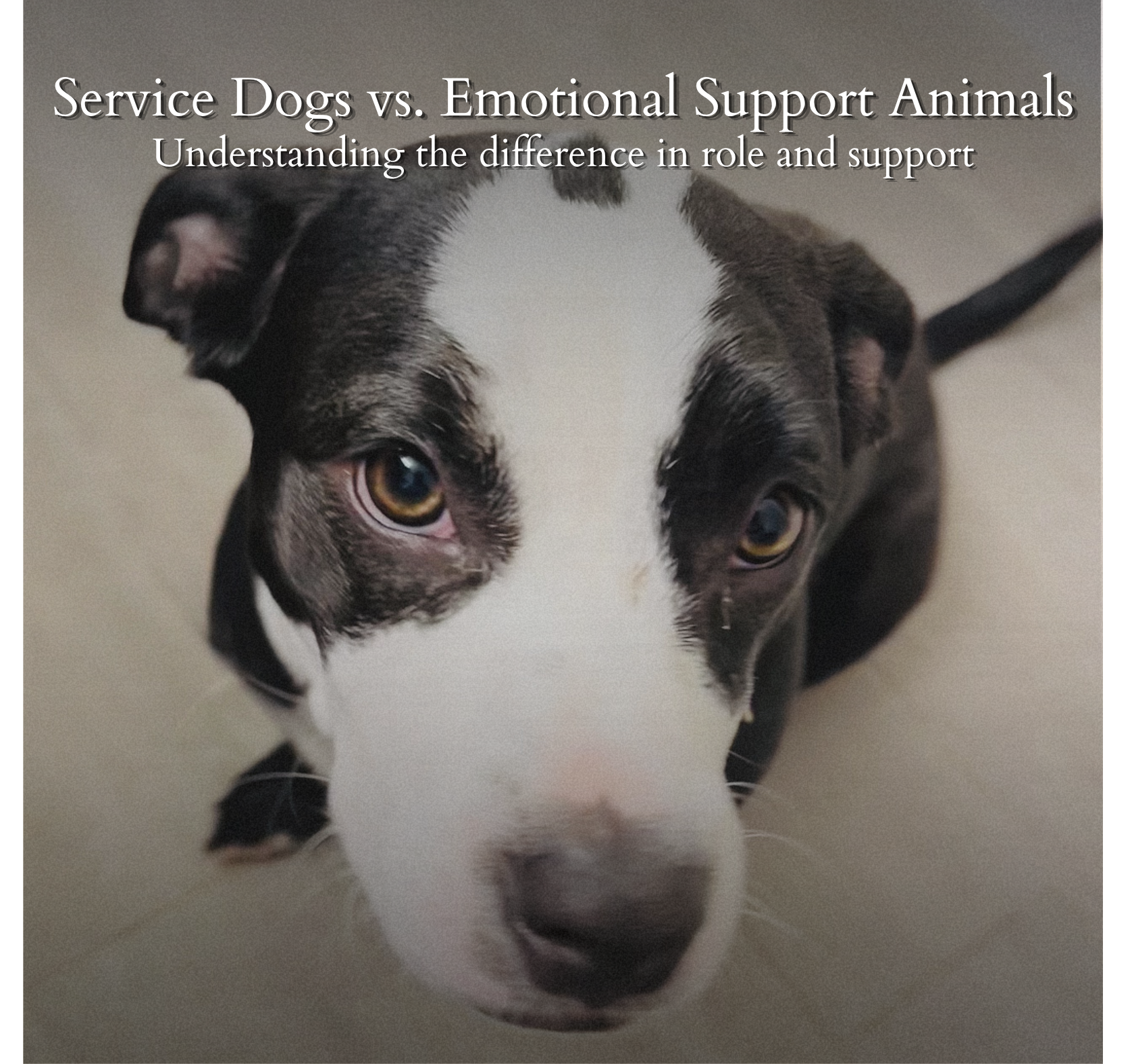
Close-up of a black and white dog representing support, companionship, and emotional well-being
Animals can play a powerful role in emotional well-being. For many people, the presence of a dog or other companion animal brings comfort, connection, routine, and a greater sense of stability. That kind of support can be deeply meaningful, especially for individuals living with anxiety, trauma, depression, or other mental health challenges.
At the same time, psychiatric service dogs and emotional support animals are not the same. While both can be important sources of support, they differ in training, function, and legal access. Understanding that difference can help people make informed decisions about what kind of support best fits their needs.
What Is a Psychiatric Service Dog?
A psychiatric service dog is a dog that has been individually trained to do work or perform specific tasks for a person with a disability, including a psychiatric disability. Under the ADA, the key distinction is not simply that the dog helps the person feel better. The dog must be trained to take a specific action directly related to the person’s disability.
For example, a psychiatric service dog may be trained to remind someone to take medication, interrupt self-harming behaviors, alert to an oncoming panic episode, create physical space in crowded settings, or guide a person to safety during severe distress. Because these are trained disability-related tasks, psychiatric service dogs are treated as service animals under the ADA.
What Is an Emotional Support Animal?
An emotional support animal does not need specialized task training in the same way a psychiatric service dog does. Its role is to provide comfort, companionship, and emotional support through presence and connection. That does not make the support less real. In many cases, emotional support animals can be incredibly important in a person’s life. They may help reduce loneliness, increase a sense of safety, encourage routine, and provide grounding during difficult emotional periods.
The difference is that emotional support alone is not considered a trained task under the ADA. Because of that, emotional support animals are not classified as service animals for public-access purposes under the ADA, even though the support they provide may still be significant.
Why the Distinction Matters
This distinction matters because people often use the terms interchangeably when they should not. A psychiatric service dog is a working animal trained to assist with a disability-related need. An emotional support animal provides comfort and connection, but is not granted the same public-access status under the ADA simply because it helps someone feel calmer or less alone.
That said, emotional support animals still matter. Their role should not be dismissed just because it is different. Emotional connection, consistency, and companionship can be pivotal for people who are struggling. Support does not have to look identical to be meaningful.
What About Housing?
Housing is one area where the conversation becomes especially important. Under Fair Housing Act guidance, assistance animals can include not only service animals, but also other animals that provide disability-related support, including therapeutic emotional support. In housing settings, a person with a disability may be able to request a reasonable accommodation for an emotional support animal, even though that animal is not considered a service animal under the ADA.
In other words, an emotional support animal may not have the same access rights as a psychiatric service dog in public places, but it can still have an important and legitimate role in a person’s daily life and housing stability.
Support Can Take Different Forms
For some people, a psychiatric service dog is an appropriate disability-related support because they need a dog trained to perform specific tasks. For others, an emotional support animal may be a meaningful source of connection, comfort, and stability. These are different categories, but both reflect something important: support can be essential, and needing support is not a weakness.
In therapy, this can be an important conversation. People often wonder whether what they need is emotional comfort, a structured coping plan, accommodations, disability-related support, or a combination of those things. Understanding the differences can help people seek the kind of support that is both appropriate and sustainable for their actual needs.
Final Thoughts
Psychiatric service dogs and emotional support animals are not interchangeable, but both can matter. A psychiatric service dog is task-trained to assist with a psychiatric disability. An emotional support animal offers comfort, connection, and emotional stability through companionship. One is not simply “more valid” than the other. They serve different roles.
What matters most is understanding the distinction clearly while still honoring the very real impact that emotional support animals can have in a person’s life.
Closing CTA
If anxiety, trauma, depression, or emotional overwhelm has been affecting your daily life, therapy can help you better understand your needs and explore supportive strategies that fit your situation. Call (772) 212-5327 or book online to get started.